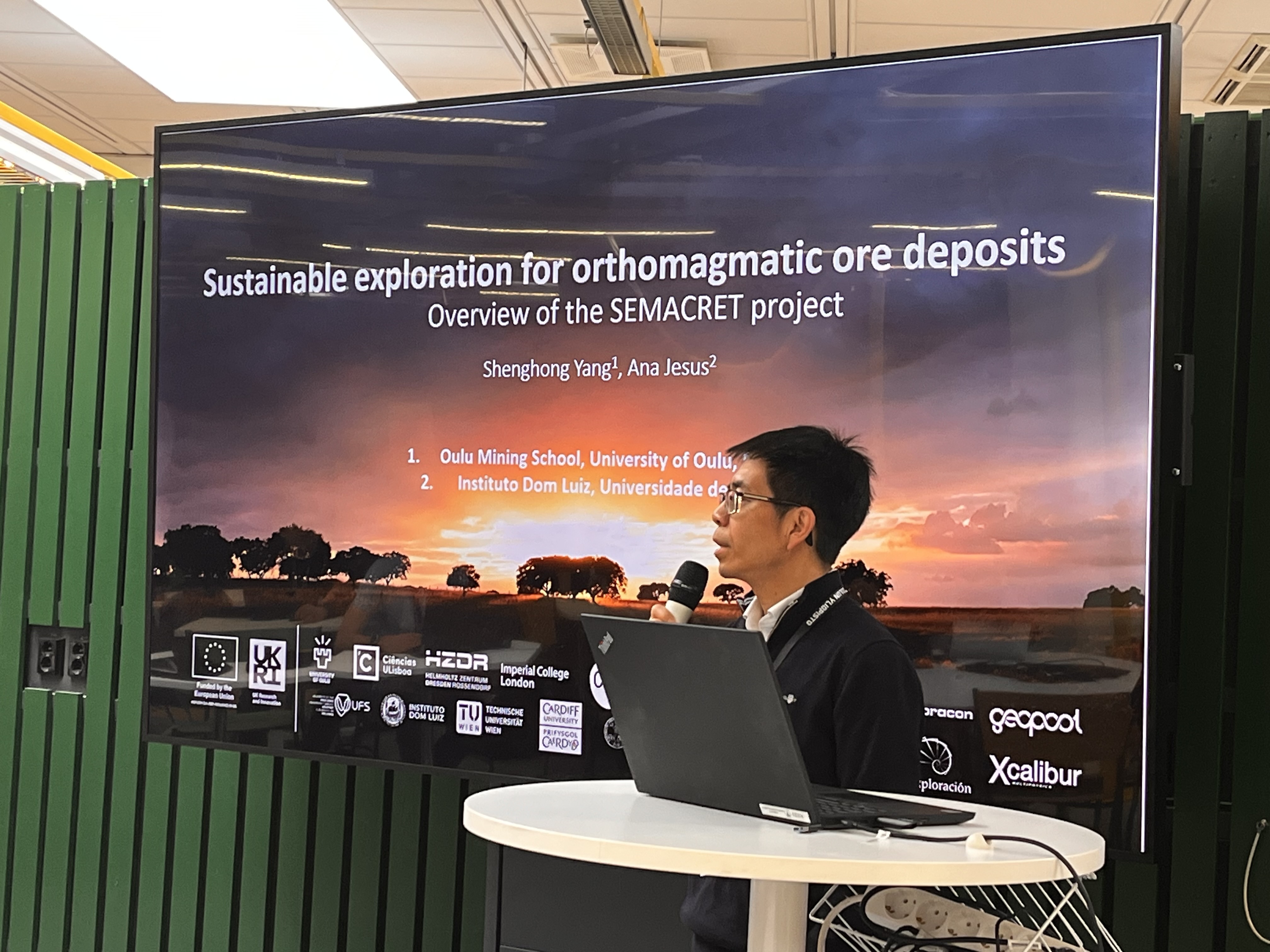
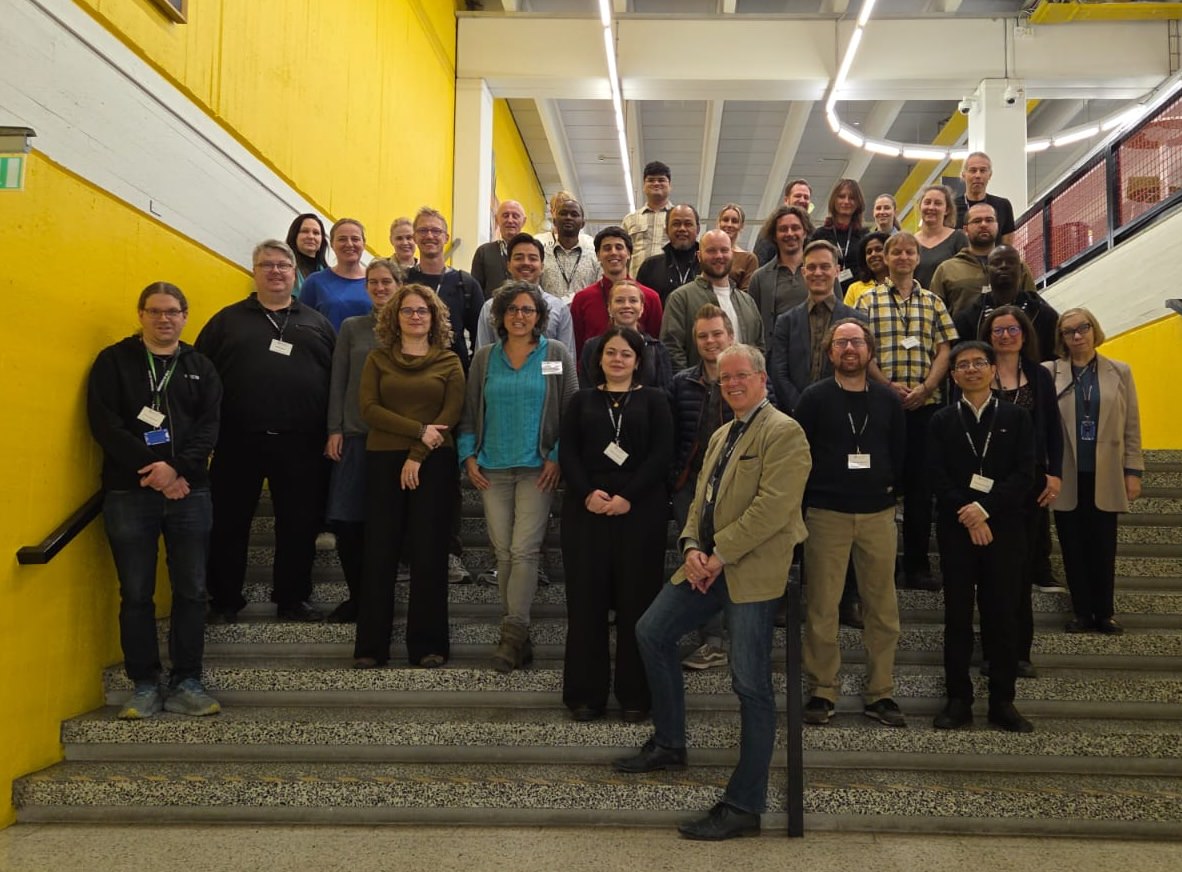
SEMACRET had its 7th and final consortium meeting in Oulu, Finland, between 13 and 15 May. As publicised in our webpage, we hosted a seminar showcasing the diversity of results gathered throughout the project. The seminar began with a reflexion on the application of the mineral systems approach to orthomagmatic deposits incorporating some of the main advancements on our ore deposit models which include experimental data on crustal contamination, as well as thermodynamical and advanced computational modelling of layered intrusions. This was followed by an overview of the main results from our reference sites in plume related and orogenic geodynamic settings and applications of mineral prospectivity and surface geochemistry (upper soil and plants) used in regional exploration targeting. SEMACRET employed a variety of geophysical methods such as FTMG, passive seismics and airborne EM but also developed novel methodological approaches, algorithms and a QGIS plugin to process, model and visualise airborne EM data that were demonstrated by our geophysicists. Also, our mineral policy expert shared the results of mineral resource mapping using the UNFC system and the visualization tools that were developed in the project. Finally, we had the opportunity to learn the outcomes from our social science team which had the huge challenge of assessing the attitudes of citizens towards mineral exploration and mining across four countries with significantly different social backgrounds and languages, based on community events, population interviews and data mining in social media during three intense years.

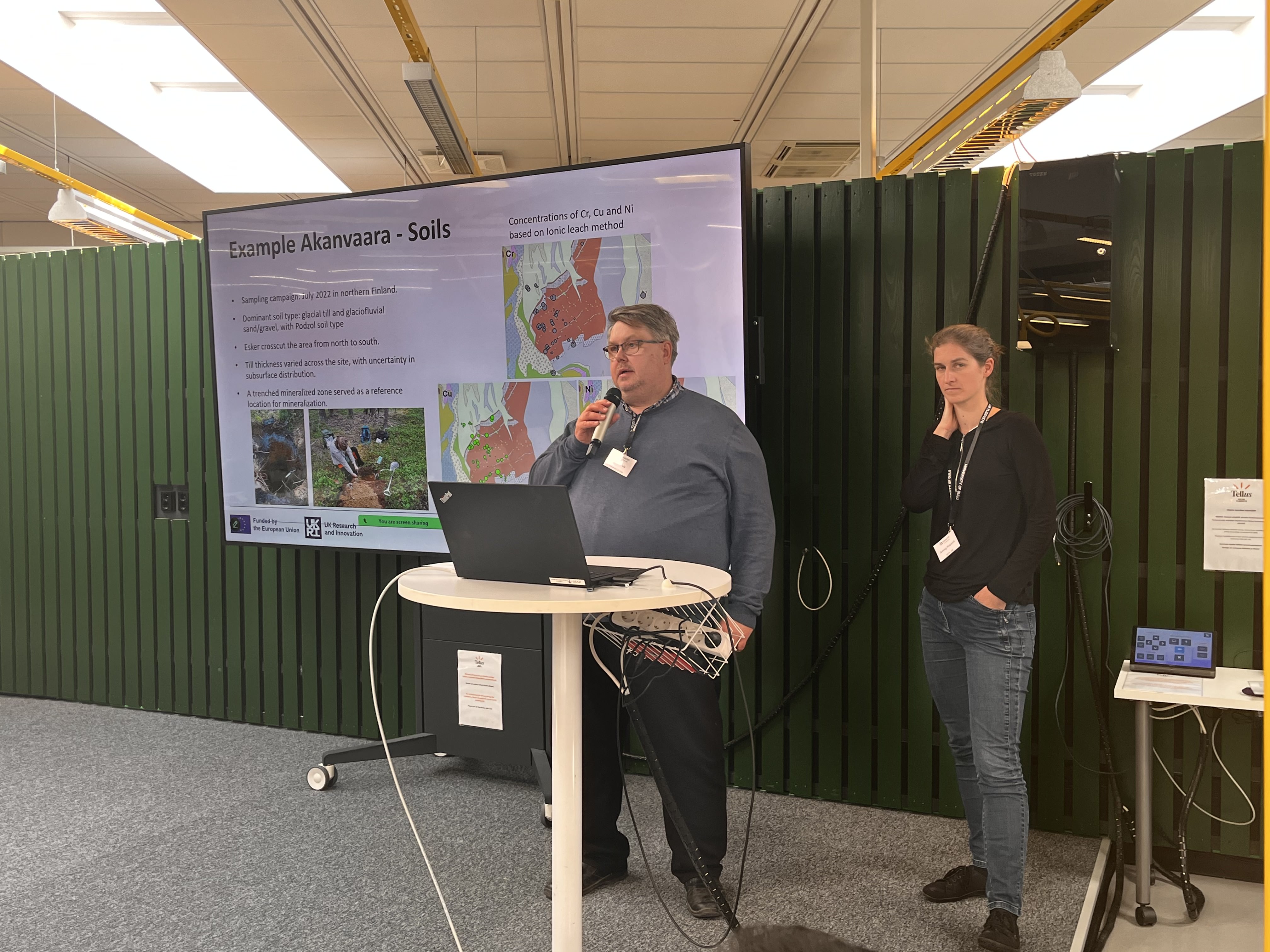
The seminar finalised with a panel discussion involving members of the consortium, which included an array of geoscientists that are academia and industry-based, and mixed approaches addressing the potential impacts of the project results and the challenging balance between research and the industry.

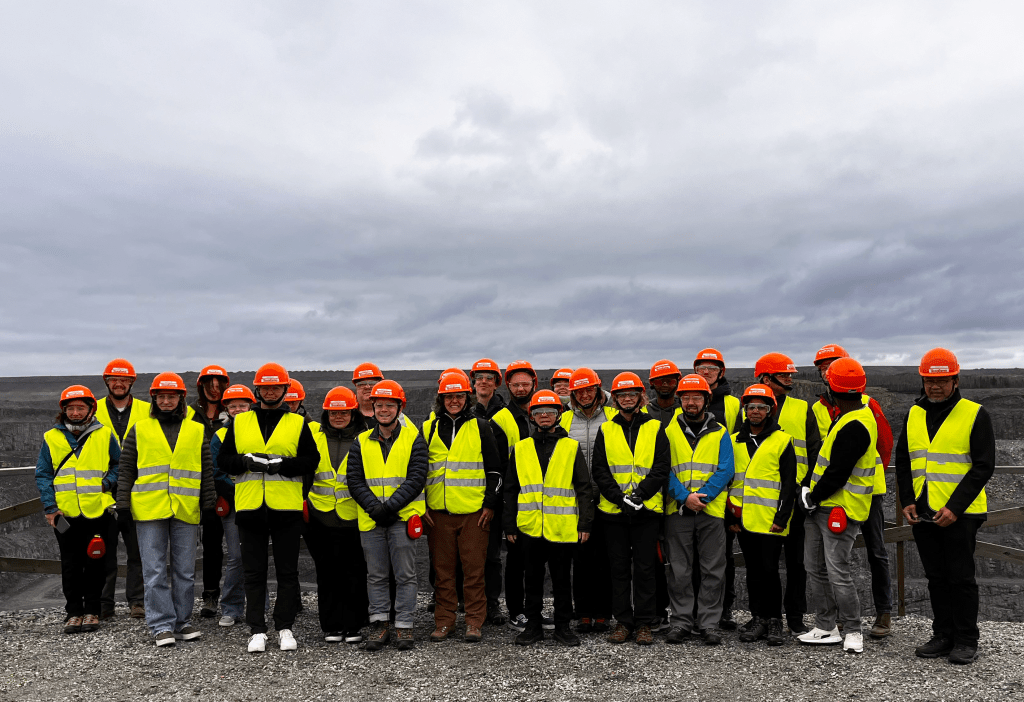
Most project tasks will be completed at the end of the original three-year mark, which will be reached in the end of May 2025. An extension of the project until October 2025 was granted to enable the completion of one specific remaining task. As such, on the second meeting day, the various working groups (geophysics, ore modelling, surface geochemistry) gathered to reflect on the work done and future joint collaboration. In final day, we visited the mine Talvivaara mine owned by Terrafame a nickel – cobalt deposit hosted in black shales. The company uses a method of bioleaching to extract the metals from the ore which has a low carbon footprint since it requires significantly less amount of rock grinding and does not require high temperature metallurgical processing. Through this method, the nickel and cobalt sulfides in the ore are concentrated into nickel and cobalt sulfates which are mainly used for producing battery chemicals for electrical cars. The visit was organized by our colleagues from UEF and focused on the social and environmental aspects related to mineral exploration.
 SEMACRET